
Manufacturing & Machinery
Operating manuals, installation instructions, maintenance guides, safety manuals and equipment documentation.
Professional manual translation services for technical manuals, user manuals, product manuals, instruction manuals, safety manuals and digital handbooks. Textsprime supports organizations of every size and sector that require clear, accurate and market-ready manuals across languages.
We will reply within 15 minutes.
Technical manual translation requires accurate terminology, clear procedural language and careful control of safety information, measurements, diagrams and cross-references. Textsprime provides technical manual translation services for products, equipment, systems, software and operational processes used across international markets.
Projects may range from a single technical handbook to an entire multilingual documentation program. Translation memories, approved glossaries and centralized project resources help maintain consistency across product models, document versions and target languages.
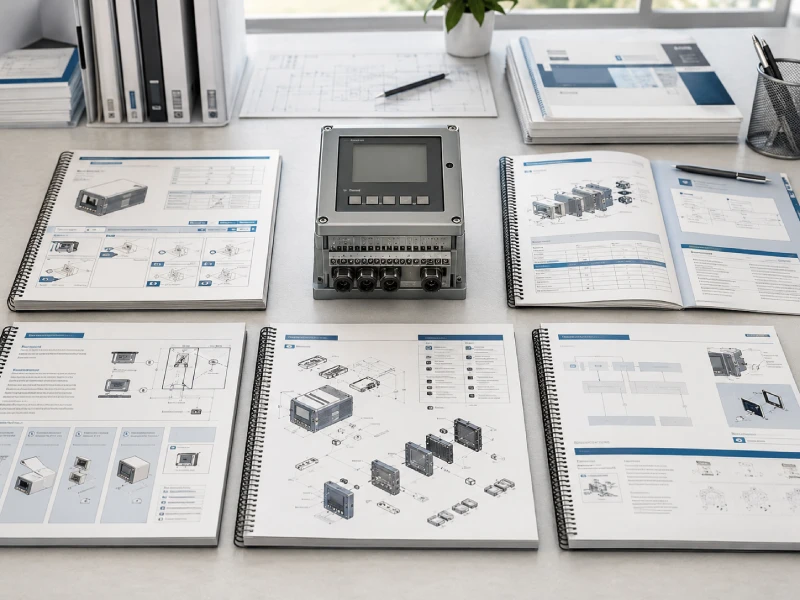
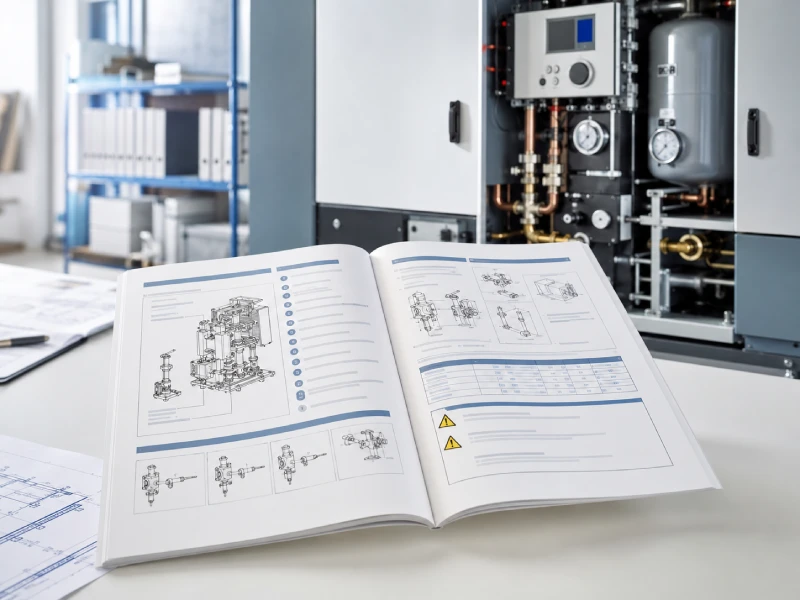
Manual translation covers the instructions and documentation people use to install, operate, maintain, troubleshoot or safely use a product, system or piece of equipment. These documents often contain technical terminology, repeated instructions, measurements, warnings, diagrams and product-specific references.
A mistranslated instruction, warning, unit or technical term can lead to improper use, support issues, rework or safety risks. Professional manual translation helps users, technicians and employees follow the same instructions correctly across languages and markets
Textsprime translates manuals used throughout the product lifecycle, from installation and everyday operation to servicing, maintenance, training and customer support.
Specialist documentation for engineers, technicians, operators and service personnel.
Step-by-step instructions for product installation, assembly, setup and commissioning.
Operating procedures and instructions for machinery, equipment, systems and industrial products.
Warnings, precautions, safety procedures, emergency instructions and other safety-critical information.
Warnings, precautions, safety procedures, emergency instructions and other safety-critical information.
Maintenance schedules, repair procedures, service instructions, inspection requirements and troubleshooting information.
Training manuals, SOPs, work instructions and procedural documentation used by employees and technical teams.
User manuals, operating instructions, training materials and instructions for use for medical devices and healthcare equipment.
Manuals vary widely by product and industry. We select linguists according to both the language pair and the subject matter, and use client terminology and reference materials where available.
Operating manuals, installation instructions, maintenance guides, safety manuals and equipment documentation.
Owner manuals, service manuals, repair instructions, parts documentation and technical training materials.
User manuals, setup guides, product instructions, troubleshooting content and support documentation.
Owner manuals, service manuals, repair instructions, parts documentation and technical training materials.
Software manuals, administrator guides, system documentation, help content and technical support materials.
Device manuals, instructions for use, training materials and healthcare equipment documentation.
Operating procedures, maintenance manuals, equipment documentation and safety instructions.
Operating manuals, maintenance documentation, component instructions and technical procedures.
Equipment manuals, installation guides, operating procedures and technical documentation for engineering projects.
Fluent language alone is not enough for technical manuals. Translators need to understand the product, process and terminology behind the instructions so that procedures, warnings, measurements and technical relationships are interpreted correctly.
Product names, components and technical terms need to remain consistent throughout the manual and across related documentation.
Understanding how a product or process works helps the linguist interpret technical instructions correctly rather than translating them in isolation.
Warnings, cautions and operating instructions require particular attention because small wording changes can affect how users understand risk.
Measurements, tolerances, model numbers, part numbers and other numerical information need careful handling during translation and review.
Numbered procedures and step-by-step instructions must preserve the correct order, conditions and relationships between actions.
References to sections, figures, tables and related instructions should remain clear and consistent in the translated manual.
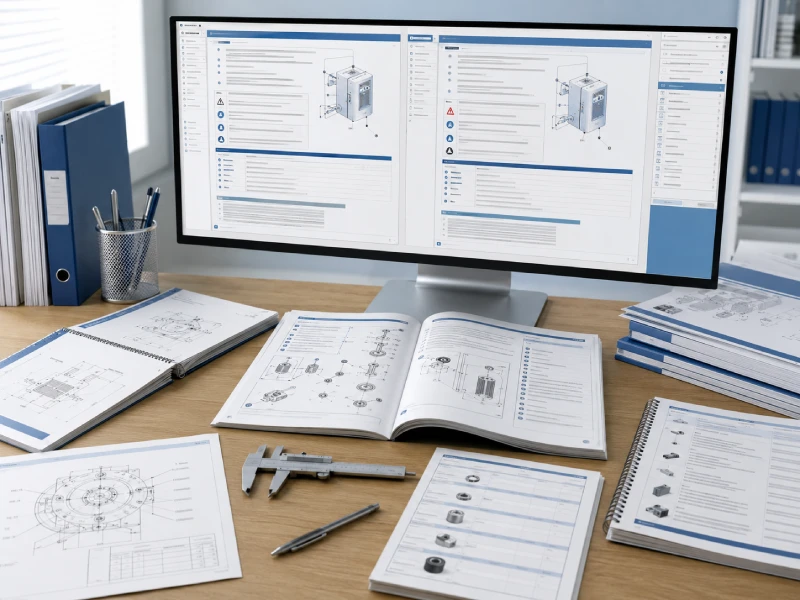
Manuals often contain repeated instructions, product terminology and content reused across models or product versions. We use language resources and structured review to keep that content consistent from one file, language and release to the next.
Linguists are selected according to the language pair, manual type and relevant technical field.
Approved product terminology can be maintained across manuals, product families and target languages.
Previously approved translations can be reused when the same or similar content appears in new manuals or updated versions.
Depending on the project, checks can cover terminology, numbers, units, missing content, repeated text and formatting.
Tables, callouts, images and page layouts can be adjusted for different languages and scripts.
Existing translations and language resources can be reused when manuals change with new products, specifications or software releases.
Textsprime supports manual translation in more than 230 languages and over 800 language pairs. Linguists are selected according to the language pair, subject matter and project requirements.
Language resources, terminology and document versions can be coordinated across individual markets, regional variants and simultaneous multilingual releases.
Common Languages
Regional Language Variants
We review the manual, language requirements, intended users and source files before work begins. The translation and review process is then planned according to the content, project size and intended use.
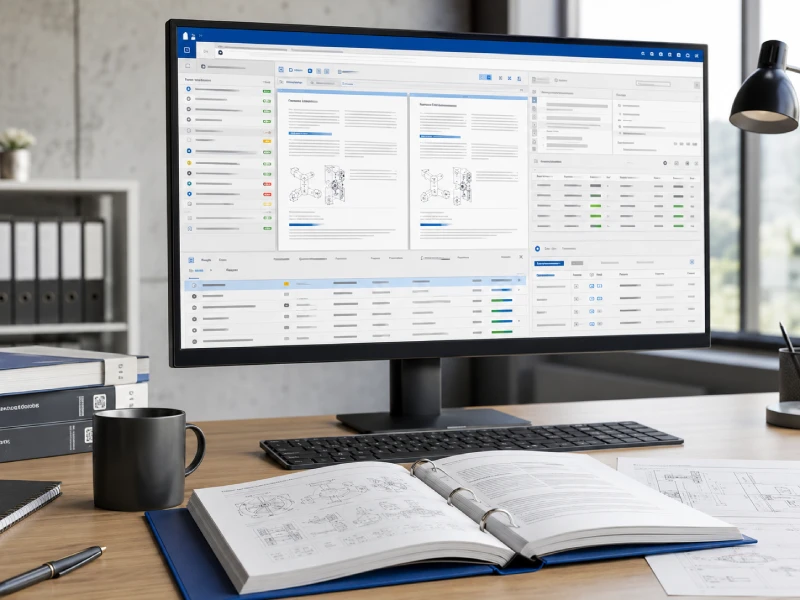
The centralized system supports project planning, file handling, workflow automation, linguist collaboration, review management, QA tracking and delivery.
Different AI and machine translation engines can be compared and selected according to:
This approach supports increased production capacity and faster processing of large or recurring documentation.
Professional post-editors review AI-generated content for:
Automated checks can identify:
Automated QA supports human review rather than replacing it.
Existing source and translated manuals can be aligned sentence by sentence to create reusable translation memories.
This supports:
Project terminology resources may include:
Secure file transfer, controlled access, confidentiality obligations and ISO/IEC 27001-aligned information security practices support the handling of confidential product, technical and organizational information.
We work with common office, publishing and technical documentation formats. Complex or layout-heavy files can be reviewed before quotation so that translation, file preparation and DTP requirements are clear from the start.
Everyday Documents
Desktop Publishing
Structured Content
Visual & Technical Content
File Recovery & Preparation
Scanned or non-editable files may require OCR, text extraction, graphic editing or layout reconstruction before translation.
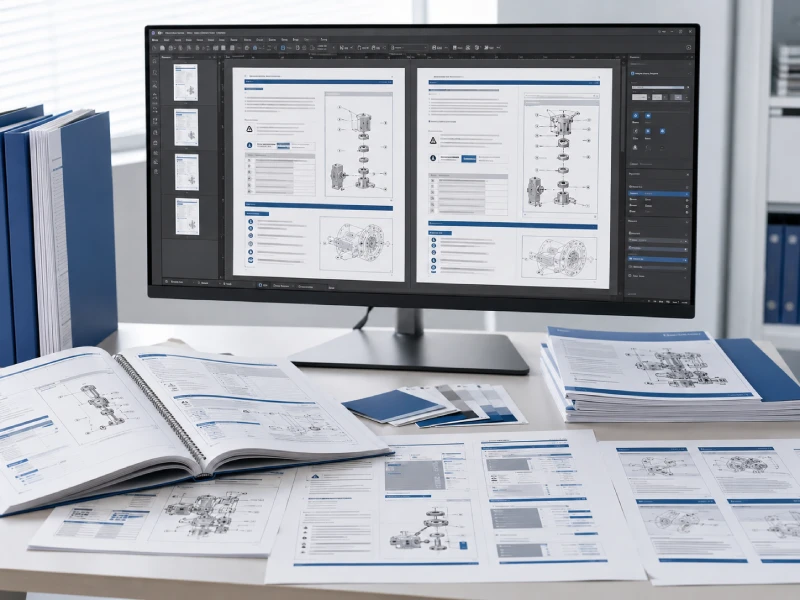
Translated manuals often require layout adjustments because text length, fonts, reading direction and line breaks vary by language. Our DTP support covers the visual and structural work needed to prepare multilingual manuals for review, publishing or distribution.
DTP may include:
Translated text may be longer or shorter than the source content. Spacing, text boxes, line breaks, page flow and visual elements are adjusted to preserve readability and design consistency.
Support may include:
Final checks may cover:
Pricing and delivery time are confirmed after the source files have been reviewed. They depend on the language pair, content volume, subject matter, translation service, file format, layout requirements and deadline.
Large, multilingual or urgent projects are reviewed individually so that capacity and delivery dates can be confirmed before work begins.
A formal quote is prepared after the source files and requirements are reviewed.
We translate user manuals, product manuals, operating instructions, installation guides, maintenance manuals, safety manuals, software manuals, training manuals and other technical or procedural documentation.
Linguists are selected according to the language pair, manual type and relevant subject matter. Client terminology and reference materials are reviewed where available.
Approved glossaries, terminology databases and translation memory can be used to maintain consistent product names and technical terminology across manuals and languages.
Yes. When previous translations or translation memories are available, approved content can be reused and new or changed sections can be translated separately.
Where supported by the source files, we can provide multilingual DTP and formatting support for tables, diagrams, callouts, screenshots and other layout elements.
Textsprime supports more than 230 languages and over 800 language pairs, including major international languages and regional variants.
Pricing depends on the language pair, content volume, technical complexity, translation service, file format, layout requirements and deadline. A confirmed quote is provided after the source files have been reviewed.
Turnaround depends on content volume, language pair, subject complexity, file format, number of target languages, review requirements and DTP needs. The confirmed schedule is included in the project quote.
Confidential manuals are handled through secure file transfer, controlled project access, confidentiality obligations and ISO/IEC 27001-aligned information security practices.
Yes, for suitable projects. Machine translation can be followed by professional post-editing, with the appropriate approach determined by the manual, intended use, quality requirements, volume and deadline.
Send us your manual and let us know the target languages, intended users and deadline. We’ll review the files and confirm the recommended service, price and delivery schedule.